These examples highlight selected transactions and advisory mandates undertaken by Amati and its partners, including experience gained at previous organizations. They illustrate a portion of our experience; Amati’s capabilities and experience extend beyond the work showcased here.
REAL ESTATE MERGER AND CONSOLIDATION
Consolidation Planning for a Nine-Figure Asset Base
Three neighbouring corporations. Different financial positions. One shared development vision.
Combined asset value
>$100MM CAD
Independent corporations
3
Mandate
Consolidation planning
Amati Capital Partners was jointly engaged by three independently owned corporations with neighbouring properties and a nine-figure combined asset value.
Their holdings included an established operating business, development assets facing capital constraints, and vacant land with long-term development potential. The owners sought a coordinated strategy to consolidate their interests under a new corporate structure, address existing obligations, establish ownership arrangements and prepare for future development.
Amati’s mandate connected corporate restructuring, shareholder alignment, financial planning, governance and development sequencing within one proposed consolidation framework.
Three starting points. One shared opportunity.
XYZ Operations Ltd.held property supporting an established operating business.
ABC Developments Ltd.owned adjacent development assets but had exhausted its available capital.
LMN Land Holdings Inc.controlled vacant land with future development potential.
The neighbouring holdings created an opportunity to plan together. Different asset values, financial obligations and funding capacities made a clear commercial framework essential before the owners could move forward.
A coordinated advisory mandate
Amati’s role was to connect the commercial, financial, ownership and development decisions that would determine how the proposed consolidation could work.
Establishing a common financial picture
The starting point was understanding what each corporation would bring: assets, operating cash flow, development commitments, liabilities and capital requirements. Bringing these elements into a consolidated framework helped distinguish existing value from future potential and identify obligations that would need to be addressed. This formed a foundation for informed discussions about ownership, financing and viability.
Designing the proposed ownership and capital structure
A central question was how ownership in a new company could reflect each party’s contribution. Amati evaluated how contributed assets, outstanding debt, shareholder loans, additional capital and future funding responsibilities could influence the shareholding structure. The work considered the exchange or contribution of interests, the treatment of existing obligations and the effect of future investment on ownership and economic participation.
Legal and tax advisers would translate the agreed commercial framework into the appropriate documentation and implementation steps.
Aligning shareholders around a shared strategy
Combining assets required a shared understanding of how the business would be directed. Amati helped frame the owners’ objectives, shareholder roles, governance responsibilities, capital commitments and the treatment of future investors. The proposed framework addressed how important decisions would be made, progress monitored and competing priorities managed.
Building a phased business and development roadmap
Amati brought the operating and development priorities into a practical sequence: addressing immediate financial pressures, maintaining continuity of the existing business, identifying priority expenditures and planning later phases. Connecting land planning, infrastructure, construction requirements and commercial milestones helped clarify the capital dependencies and the decisions that could be deferred.
Connecting the plan to capital and implementation
The financing analysis connected existing obligations, near-term funding needs and future development capital. Amati identified the stakeholder discussions, lender consents, professional inputs and implementation conditions that would need to be addressed. This provided a coordinated basis for advancing discussions with shareholders, creditors, lenders and prospective capital partners.
The strategic value
Amati brought separate ownership positions into one coordinated consolidation strategy, giving the owners a clearer basis for evaluating the proposed transaction and negotiating the decisions ahead.
The work connected a proposed corporate structure, ownership framework, restructuring priorities, phased development roadmap and future capital strategy. It helped the owners understand how their assets and obligations could fit within a shared platform, and what would be required to move toward implementation.
An anonymized illustration of Amati’s advisory work. Company names and identifying details have been fictionalized. This case describes planning for a proposed consolidation.
COMPLEX REFINANCING
A Nine-Figure Cross-Border Fintech Acquisition
Canadian innovation. An international buyer. Interconnected ownership and capital decisions.
Transaction scale
>$500MM CAD
Structure
Cash acquisition
An Amati partner contributed to the transaction team on the acquisition of a Canadian small-business financial software platform by an established international services company. The transaction had a reported value exceeding $500MM CAD and involved a venture-backed business offering accounting, payments and payroll solutions.
It illustrates the coordination required when a Canadian technology company, its investors and an international buyer come together around a strategic acquisition.
Connecting the equity story with the capital structure
Aligning ownership, valuation and investor liquidity
The equity dimension was an acquisition of existing shares and an exit for shareholders, including institutional investors. That required a consistent understanding of enterprise value, ownership interests and the commercial terms of the sale. Equity proceeds, transaction adjustments and the wider closing process needed to fit within one coherent transaction framework.
Coordinating debt, liquidity and the closing funds flow
The announced purchase was funded with available cash. In a cash acquisition, capital-structure analysis still connects existing debt, operating liquidity and the treatment of financial obligations at closing. The advisory challenge is to ensure that equity consideration and any debt-related requirements can be reconciled within an executable funds flow.
Understanding a Canadian financial technology business
A platform built around software, customer relationships and payment activity calls for a different assessment from a business valued primarily on physical assets. Growth, monetization, retention, technology and the handling of financial information all influence the commercial risk assessment. Existing banking partnerships also form part of the operating context that a buyer must understand.
Bringing cross-border priorities into one process
An international buyer and a Canadian operating business bring different reporting, currency, commercial and integration considerations. Financial advisers need to work alongside legal, tax and other specialists while keeping the purchase economics, shareholder outcomes and continuity of the business aligned.
Why this transaction stands out
The transaction combined a substantial Canadian technology exit with a strategic expansion into small-business financial services. It connected a venture-backed platform with a larger international organization while preserving a Canadian operating base and providing liquidity to existing investors.
The experience demonstrates the importance of combining commercial judgement, capital-structure awareness and coordinated execution. These are capabilities that the partner brings to Amati’s clients facing acquisitions, ownership changes and complex financing decisions.
This example reflects a partner’s participation in a wider transaction team at a previous financial institution. Entity names and identifying details have been omitted or generalized.
EQUITY RAISE
Raising Approximately $40MM CAD for a Canadian Energy Acquisition
Producing assets. Processing infrastructure. A capital plan extending beyond closing.
Equity raised
Approx. $40MM CAD
Sector
Canadian energy
Purpose
Acquisition and development
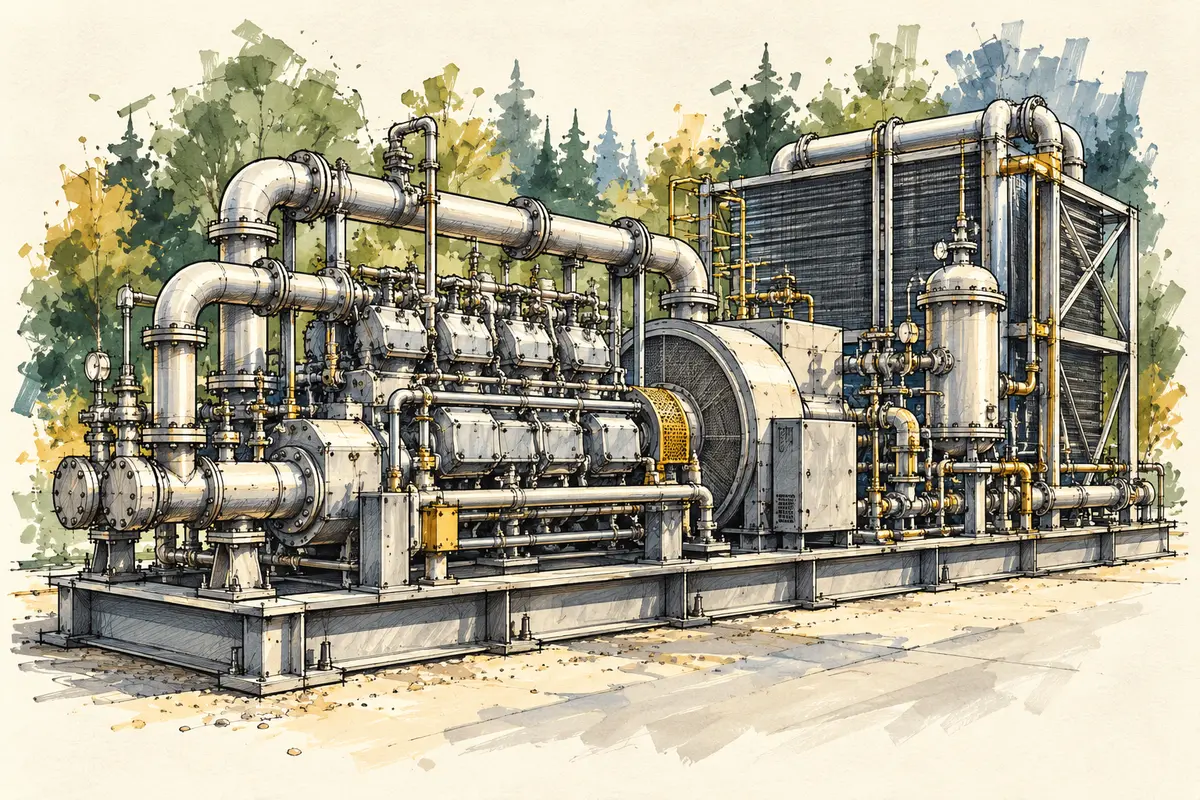
Amati completed an equity raise of approximately $40MM CAD to support a private energy company’s acquisition of producing assets and associated processing infrastructure from a larger industry participant.
The opportunity combined existing production with future development potential. Investors needed to understand the operating assets, infrastructure and follow-on capital requirements as one investment proposition. Amati’s contribution brought together capital advisory experience, commercial analysis and relationships with prospective capital partners.
Capital for a technically demanding opportunity
Private energy financing requires investors whose time horizon and risk appetite fit the project. Commodity prices, production decline, development spending, infrastructure performance and end-of-life obligations all affect how capital is assessed. The investment case must distinguish the cash flow of producing assets from the potential of later development.
Connecting the acquisition with a credible capital plan
Funding needs extend beyond the purchase price. An investable plan must also account for operating liquidity, transaction requirements and the capital needed to pursue later development. Keeping these uses of funds visible helps investors understand what their equity is intended to support and how it fits with the wider financing structure.
Making the asset story understandable to investors
Producing properties and processing infrastructure create an opportunity with several sources of value and risk. The capital-raising narrative needs to connect current operating performance, infrastructure utilization and staged development potential, supported by technical and financial diligence. Future upside must remain distinct from the base operating case.
Reaching capital partners suited to the opportunity
Amati’s experience and network helped connect the opportunity with prospective investors capable of assessing a private energy investment. The importance of those relationships lies in reaching capital partners who can evaluate the underlying assets, management capabilities and funding requirements, then engage in a substantive investment discussion.
Keeping financing and acquisition requirements aligned
Investor diligence, equity terms and the seller’s transaction process need to advance together. Regulatory transfer requirements and potential security or closure obligations also belong in the capital assessment. Coordinating commercial, technical and professional inputs helps turn an asset opportunity into a financeable transaction.
The strategic value
The completed raise provided approximately $40MM CAD of equity for the acquisition and development opportunity. It demonstrates Amati’s ability to connect a demanding capital requirement with relevant experience and investor relationships.
For the client, the value was access to equity supported by an investment proposition that connected the assets, the risks and the plan for deploying capital.
An anonymized example of Amati’s capital-raising work. The equity amount is approximate. Entity names and identifying project details have been omitted or generalized.
SUCCESSION PLAN
Preparing an Owner-Led Business for Succession and Sale
An established business. Deep owner expertise. A practical transition roadmap.
Business profile
Specialty contracting
Objective
Future sale readiness
Mandate
Succession planning
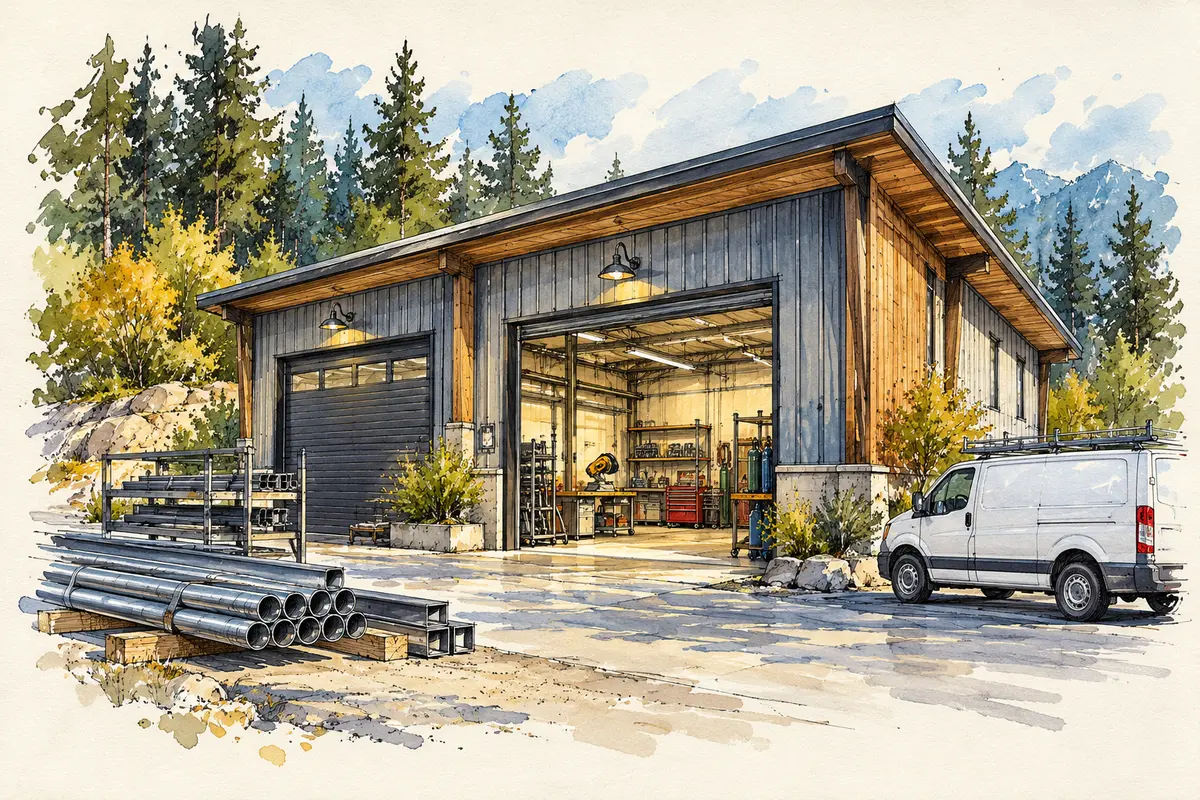
Amati Capital Partners was engaged by XYZ Contracting Ltd., an established specialty contracting business, to assess its succession readiness and prepare a practical plan for a future third-party sale.
The company had an established reputation and experienced staff, but critical operating knowledge and administrative responsibilities remained concentrated with the owners. The transition plan needed to protect day-to-day delivery, cash collection and decision-making as the owners stepped back.
Amati completed an integrated review of the company’s financial position, operations, organization and owner dependencies. The work translated the owners’ objectives into a coordinated succession and value-enhancement plan, with specific priorities for continuity, leadership, reporting and future sale readiness.
Making the business transferable
The central challenge was transferring the knowledge, relationships and responsibilities that supported the business. Amati connected operational succession and back-office succession within one plan, so that the transition addressed both customer delivery and the financial functions that kept the company running.
Aligning the owners’ objectives with business readiness
The review connected the owners’ desired exit with the company’s ability to support a transition. Amati assessed where responsibilities were concentrated and identified gaps in documentation, management depth and financial visibility that could affect continuity or a buyer’s assessment. This established a common starting point for the succession plan.
Protecting continuity across operations and the back office
Amati mapped dependencies across technical work, scheduling, ordering, project coordination, accounting, payroll, invoicing and banking. Recommended safeguards included documenting critical procedures, clarifying signing and approval authority, and making essential records accessible to authorized personnel. These measures were designed to help the company maintain operations during a planned transition or an unexpected absence.
Strengthening financial visibility and sale readiness
Amati reviewed financial trends and reporting practices and identified priorities for more reliable job costing, labour allocation, inventory and work-in-progress tracking. The recommendations linked estimated-versus-actual project reviews with a regular review of margins, overhead and cash flow. The objective was a clearer view of performance for owners, management and a future buyer.
Building successors, roles and accountability
The roadmap proposed clearer operating and administrative roles, documented procedures and structured training. It set out succession choices through internal development, recruitment or professional support, alongside a gradual shift from owner execution to oversight. This connected knowledge transfer with accountability for the work.
Evaluating realistic exit pathways
Amati compared a sale of the business as a going concern with the financial implications of a wind-down. The analysis considered working capital, employee obligations, professional costs and tax and transaction-structure considerations. This helped the owners evaluate the value of preserving an operating business and understand how costs and obligations could affect the proceeds retained under different scenarios.
Sequencing the transition into a practical roadmap
The recommended sequence began with immediate continuity safeguards, followed by process documentation, systems improvements, successor development and a gradual transfer of responsibility. Later readiness checkpoints focused on the business’s ability to operate independently of its owners. The plan also identified owner decisions on the back-office succession route, implementation leadership and systems priorities.
The strategic value
The engagement delivered an integrated assessment and phased roadmap linking the owners’ exit objectives to the operational and financial work needed to support them. It gave the owners a clearer view of their options, the decisions that required their involvement and the changes to prioritize before taking the next step.
By connecting continuity, people, financial visibility and exit planning, Amati provided a practical framework for preparing a business whose value could be transferred to its next owner.
An anonymized illustration of Amati’s advisory work. Company names and identifying details have been fictionalized. This case describes the assessment and planning stage of a succession mandate.
OWNER’S REPRESENTATION
Representing the Owner on a Landmark Okanagan Wellness Resort
A luxury destination. Specialist construction. The owner’s interests at the centre of delivery.
Reported construction contract
Approx. $75MM CAD
Setting
Okanagan, British Columbia
Mandate
Owner’s representation
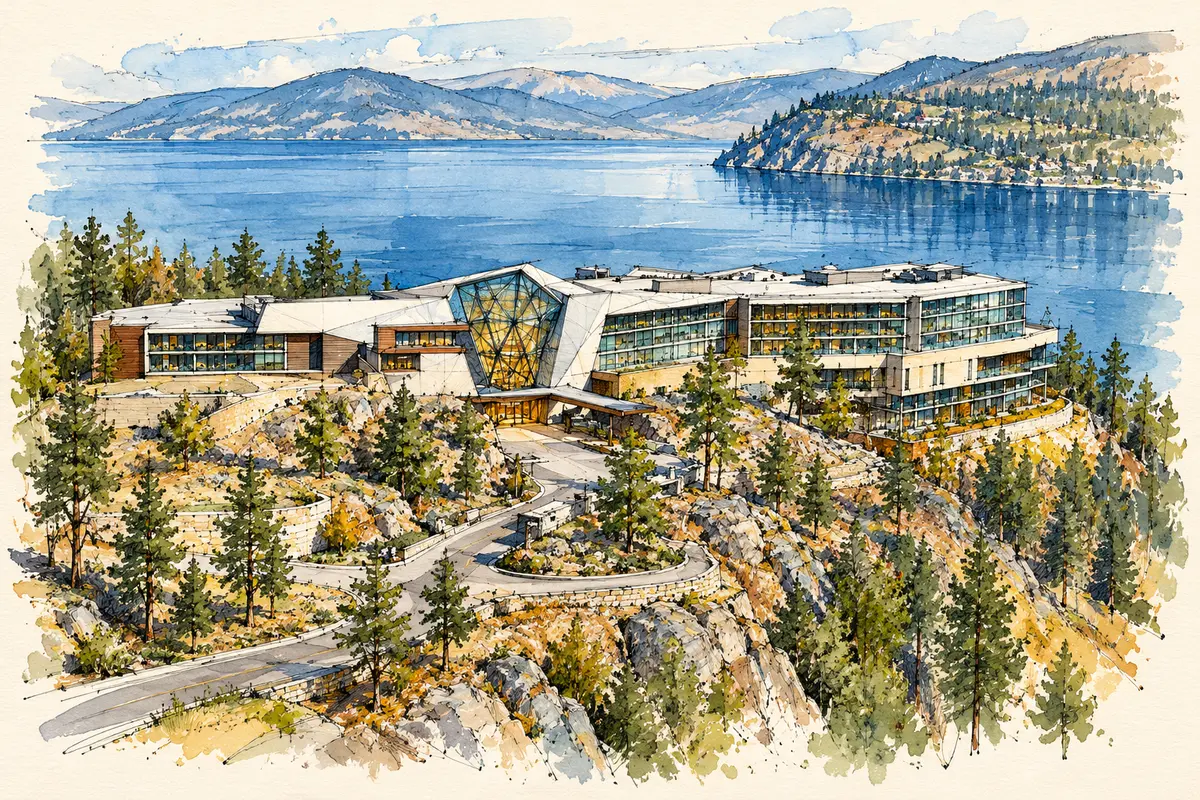
Amati provided owner’s representation on the development of a luxury wellness resort in British Columbia’s Okanagan. The project’s reported construction contract value was approximately $75MM CAD. The resort’s four-diamond positioning and combination of accommodation, spa and wellness facilities made the owner’s quality expectations central to the project.
Amati’s role was to represent the owner’s interests within the wider delivery team. Owner’s representation connects the investment objectives with the practical decisions about scope, cost, timing, quality and readiness for operations.
A commercial perspective throughout construction
In Canadian construction, an owner’s representative provides advice, coordination and oversight on the owner’s behalf within an agreed scope and delegated authority. On a resort of this scale, that role turns design and construction information into decisions the owner can act on.
Keeping the owner’s vision connected to scope and budget
A distinctive resort brings architectural ambition, specialist facilities and demanding finish standards into one capital project. Owner’s representation helps the client understand how design choices affect budget, programme and the intended guest experience, so that priorities remain clear as the project evolves.
Creating visibility over cost, changes and commitments
The owner needs a clear view of committed costs, anticipated changes, contingency and the consequences of pending decisions. Reviewing commercial information and escalating issues early supports informed approvals and helps the client understand the financial implications before committing to a course of action.
Coordinating the specialists and the delivery sequence
Hospitality and wellness facilities bring interfaces between structure, building services, specialist equipment and high-quality interiors. An owner’s representative helps coordinate the owner’s priorities across consultants, contractors and operating stakeholders, with attention to dependencies, long-lead items and decisions affecting the construction sequence.
Connecting completion with operational readiness
A resort must be ready to welcome guests and operate its specialist facilities. The owner’s perspective therefore extends to commissioning, deficiencies, handover information and the transition to operations. Coordinating these matters helps connect construction completion with the requirements of the business that will occupy the property.
The value to the owner
For an owner investing in a destination resort, experienced representation provides a consistent commercial point of reference across a complex project team. It creates a clearer basis for decisions and keeps the investment objectives visible as technical and construction issues are resolved.
This project illustrates the importance of combining construction knowledge with financial judgement and client advocacy on a substantial, highly specialized development.
An anonymized project example. The construction figure reflects reported contract value rather than total development investment. The description explains the owner’s-representation role; identifying details have been generalized.
GOVERNANCE AND LEADERSHIP OVERHAUL
Leadership aligned with the business ahead.
Clear responsibilities, effective oversight and aligned leadership support the direction of a business. Tell us what needs to change within your organization.
A case study for this category is not currently featured. Contact Amati to discuss relevant experience and your specific situation.
Building an Energy Services Company from Start-Up to Public Listing
Private beginnings. Public-market capital. A North American operating platform.
Historical revenue
Approx. $250MM CAD
Historical EBITDA
Approx. $55MM CAD
Capital milestone
Initial public offering
An Amati partner founded and led a private energy services business and subsequently led its initial public offering on a senior Canadian stock exchange. The company expanded across North America, reaching approximately $250MM CAD in revenue and $55MM CAD in EBITDA under that leadership.
This example reflects a partner’s experience as a founder, chief executive and board leader. It brings together the work of building an operating business, accessing public capital and establishing the people and oversight needed for continued growth.
A public listing is a milestone in a much larger business-building process
Energy services businesses must balance growth investment with equipment requirements, working capital and exposure to industry cycles. Expanding into several regions adds management and operating complexity. Taking the company public therefore required a business capable of supporting a larger capital base and a more demanding governance environment.
Creating a platform from private beginnings
The starting point was a company built from inception. Founder leadership connected the commercial opportunity with the operating organization, financing needs and management capabilities required to grow. The challenge was to build a coherent business rather than allow scale to outrun the organization supporting it.
Leading the transition to public ownership
Leading an IPO connects the company’s investment proposition, financial information, governance and disclosure obligations with the work of specialist advisers. The importance extends beyond completing the listing: investors need a business they can understand, and management needs the reporting and accountability to operate within public markets.
Scaling across North America
A multi-location footprint increases the importance of regional leadership, consistent operating information and disciplined capital allocation. The company’s growth to substantial revenue and EBITDA illustrates the operating scale achieved alongside the capital-markets milestone.
Engaging leaders for continuity beyond the founder
Experienced leaders were engaged to manage the business as it expanded. Building that depth helped establish an organization able to continue beyond the founder’s day-to-day involvement. The enduring management platform is an important part of the experience, alongside the public listing and financial growth.
What this experience brings to Amati’s clients
The outcome connected entrepreneurial formation, a completed IPO, substantial operating scale and leadership continuity. It demonstrates firsthand experience with the decisions that owners face as a private business becomes larger, more complex and accountable to a wider group of stakeholders.
Amati’s clients benefit from that perspective when preparing for growth, organizing capital, strengthening governance or building a management team that can carry the business into its next stage.
An anonymized example of a partner’s prior founder, executive and board experience. Entity names, dates and identifying locations have been omitted. Figures are approximate historical operating metrics, not transaction values.
PRIVATE ENERGY SERVICES COMPANY
From a Management Buyout to an Employee-Owned Business
A divisional carve-out. Disciplined debt repayment. A later employee-led buyout.
Historical revenue
Approx. $40MM CAD
Historical EBITDA
Approx. $5MM CAD
Buyout debt repaid
Within 3 years
An Amati partner worked with management on a leveraged buyout of an energy services division from a larger company, helping establish an independently owned operating business. The transaction connected an ownership opportunity with the management team already familiar with the operation.
The business achieved historical revenue of approximately $40MM CAD and EBITDA of approximately $5MM CAD, with the acquisition debt repaid within three years. In a subsequent ownership transition, shares were sold to employees through their own leveraged buyout.
This example reflects a partner’s prior ownership and leadership experience. It shows how acquisition financing, operating discipline and succession can form successive stages of one business’s development.
Two ownership transitions with operating continuity at the centre
A divisional buyout must work as both a transaction and a standalone business. The initial financing has to leave room for working capital, ongoing investment and the realities of a cyclical industry. A later employee buyout adds a different challenge: providing shareholder liquidity while keeping the next owners and the business financially capable.
Establishing an independent operating business
Separating a division brings ownership, people, operating assets and financial responsibilities into a new arrangement. Management familiarity with the business is valuable, but the independent company also needs clear accountability and a practical understanding of the costs and resources it must support on its own.
Connecting leverage with repayment capacity
Acquisition debt makes the timing and reliability of cash flow central to ownership planning. The business repaid the buyout debt within three years, demonstrating the importance of connecting financing commitments with operating performance. Revenue and EBITDA provided measures of scale; cash available after operating needs determined the ability to reduce debt.
Enabling a subsequent employee-led buyout
The later sale of shares to employees created an internal succession route. An employee-led leveraged buyout connects the sellers’ objectives with the buyers’ financing capacity and the company’s future cash requirements. The transaction needs to support a workable ownership structure after closing, as well as a completed sale.
Building a team that could carry the business forward
An engaged management team provided continuity through the ownership changes and continued to lead the business. That depth matters in an internal transition: the people acquiring ownership need the capability to run the operation, make investment decisions and meet the responsibilities that come with leverage.
Ownership transition backed by operating substance
The example connects a management-backed carve-out, repayment of acquisition debt and a later employee ownership transition. Its significance is the sequence: ownership was established, leverage was reduced and a further succession route was completed while an experienced team remained involved.
For Amati’s clients, this experience informs advice on management buyouts, acquisition financing, shareholder exits and succession plans that must remain workable for the business after the transaction closes.
An anonymized example of a partner’s prior ownership and leadership experience. The initial divisional buyout and subsequent employee buyout were separate transactions. Figures are approximate historical operating metrics, not purchase prices.
HOSPITALITY COMPANY
Growing a Single-Property Business into a Hospitality Platform
A modest starting point. A substantial property portfolio. Leadership built for continuity.
Starting point
Single lodging property
Business evolution
Multi-property portfolio
Experience
Partner’s prior CEO role
An Amati partner served as chief executive of a privately owned hospitality business that grew from a single lodging property into a substantial regional hospitality and real estate company. The leadership experience connected the operating business with the property decisions, capital priorities and management depth needed to support a growing portfolio.
The business-building story includes engaging a leadership team that continued to manage and develop the company beyond the partner’s executive tenure. It illustrates how growth in an asset-intensive service business depends on the organization created around the properties.
Growing the portfolio while strengthening the operating company
Hospitality combines real estate investment with a service business that must perform every day. Property growth adds accommodation capacity, but also introduces staffing, maintenance, guest-service and financial demands. A larger portfolio needs management systems and leadership capacity that keep pace with the assets.
Connecting growth ambitions with the operating model
Moving beyond a single property changes the chief executive’s task. Decisions must consider the portfolio as a whole, including where management attention and capital will have the greatest effect. The aim is a coordinated hospitality business with a clear direction, supported by the resources needed to deliver it.
Viewing property decisions through a commercial lens
Acquisition, development and reinvestment decisions need to connect the property opportunity with its operating potential and capital requirements. In hospitality, an attractive asset also has to fit the customer proposition, service model and financial capacity of the wider business.
Building management depth across the portfolio
A multi-property organization needs capable people at both property and group level. Clear responsibilities, useful reporting and effective coordination help leadership maintain visibility without making every decision dependent on one individual. This is a foundation for both continued growth and eventual leadership transition.
Engaging an enduring leadership team
The team engaged during this period continued to lead and develop the business after the partner stepped out of the chief executive role. The continuity demonstrates why recruiting and developing leaders is part of enterprise-value creation: it gives the organization the capacity to progress beyond a particular executive’s tenure.
A business with substance beyond its individual properties
The result was a substantial hospitality and real estate platform supported by an established management organization. The experience connects strategic growth, property judgement and leadership development within one operating business.
For Amati’s clients, it provides a practical perspective on scaling an owner-led company, coordinating asset and operating decisions, and creating the management depth that supports long-term continuity.
An anonymized example of a partner’s prior executive experience. The company, destination, property names and identifying dates have been omitted or generalized. This describes leadership and business-building experience rather than a single property transaction.
YOUR NEXT STEP
Let’s discuss your priorities.
If a situation here feels familiar, contact Amati to discuss your objectives and how our experience could help.