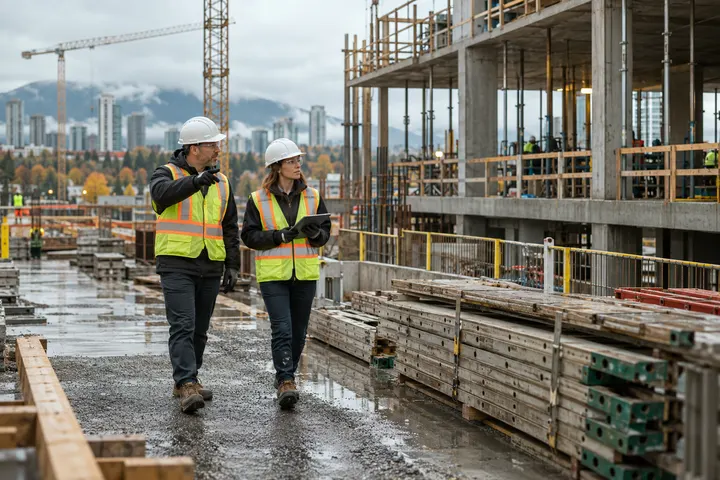
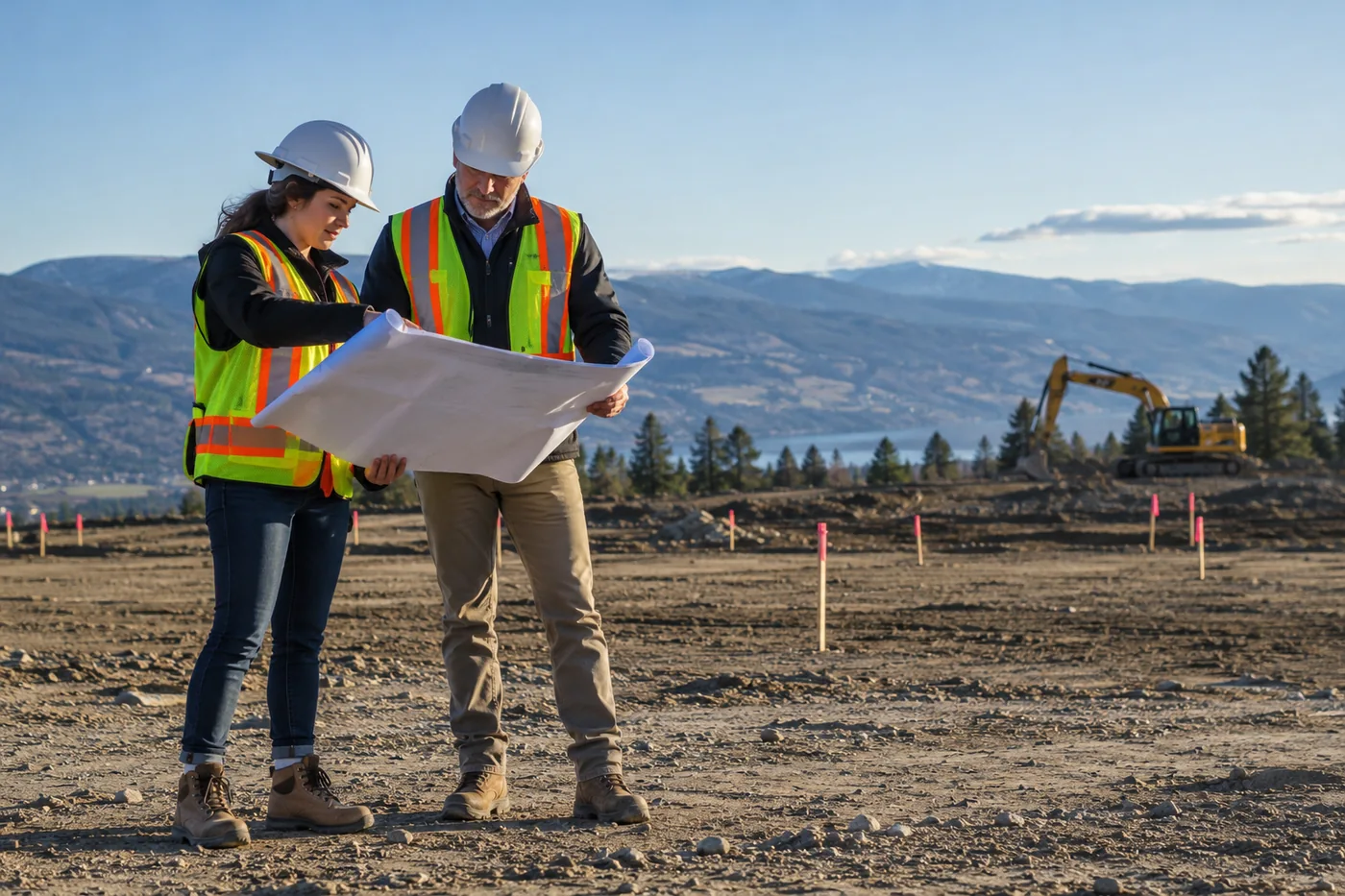
A construction project becomes visible when equipment arrives on site. Its economics begin taking shape much earlier, when the owner chooses the site, defines the use and commits to a design.
Early ambiguity can be surprisingly expensive. A price attached to an incomplete scope is not the same as a complete project budget. The work ahead is to discover what the number assumes before those assumptions become physical constraints.
Define the operating purpose first
Begin with the business the building must support. How will people, materials and customers move through it? Which requirements are essential at opening, and which belong to a later phase? What capacity is genuinely needed, and what evidence supports it?
These questions influence more than the floor plan. They affect servicing, equipment loads, access, operating costs and the ability to expand. A smaller initial project with a credible expansion path may serve an owner better than unused space financed from day one. The answer depends on the business case.
Document the intended outcome and the decisions still open. Ask the design and construction team to identify assumptions that could materially change cost or timing. Owners should be able to distinguish a confirmed requirement from a placeholder.
Resolve uncertainty in the right order
Site investigations, approvals, utility capacity and design coordination deserve attention before the schedule depends on them. The appropriate investigations vary by property and jurisdiction; qualified professionals need to establish what is required.
Procurement adds another layer. A long-lead component may justify an early commitment, but ordering before design coordination can create a different risk. The useful question is which information must be settled before each irreversible decision.
Thorough preconstruction planning relies on suitable expertise and provision for unexpected costs. A contingency should reflect the project's actual uncertainties and stage of development. It should not quietly fund optional features until nothing remains for genuine surprises.
Budget the whole route to opening
Build a total funding picture that includes more than the construction contract: professional fees, approvals, site work, financing costs, equipment, transition costs and the working capital needed as operations begin. Confirm inclusions with the relevant specialists and reconcile them with the lender's funding terms.
Test the opening date as carefully as the construction price. A later completion can postpone revenue while interest, rent elsewhere or other carrying costs continue. A project can remain within its construction contract and still exceed the owner's available cash.
Set a decision deadline for each critical issue, assign responsibility and record the financial consequence of delay. This makes the preconstruction plan a management tool rather than a collection of reports.
The value of preparation is the ability to make a better decision while alternatives remain open. Once concrete is poured, the same decision often becomes a variation, a delay or a compromise. Thoughtful owners use the less visible stage of the project to protect the most visible investment.
A QUESTION FOR YOUR NEXT MEETING
Which unresolved assumption could force the most expensive redesign after construction begins?
General information only. Decisions should reflect your circumstances and appropriate professional advice.